
Common Causes of Shoulder Pain — and When to See a Specialist
The shoulder is one of the most mobile joints in the body and one of the most vulnerable to injury and wear. Whether you’re lifting weights, reaching for a high shelf, or simply rolling over in bed, persistent or sharp shoulder pain can make everyday tasks difficult.
If you’re dealing with shoulder pain in Westminster, you may have a shoulder disorder, and understanding what’s behind it is the first step toward finding relief and preventing further damage.
Understanding Shoulder Anatomy
The shoulder joint is the body’s most flexible joint: A group of four muscles holds the head of the upper arm bone in the relatively flat shoulder socket (glenoid). The shoulder is a complex joint made up of bones, tendons, ligaments, muscles, and cartilage. It includes:
- The rotator cuff, a group of muscles and tendons that stabilize and move the shoulder
- The bursa, a fluid-filled sac that reduces friction between tissues
- The labrum, a ring of cartilage that helps keep the ball of the shoulder joint in place
- The acromion, which forms the top of the shoulder blade and can be a source of impingement
Because so many structures interact in a small space, there are many possible sources of pain, especially when injury, inflammation, or age-related degeneration is involved.
Common Causes of Shoulder Pain
If your discomfort lasts longer than a few weeks or limits your movement, it’s time to look beyond self-care. Some of the most frequent diagnoses we see at OCR’s Westminster orthopedic campus include:
1. Rotator Cuff Injury
The rotator cuff can tear gradually with overuse or suddenly due to trauma. Symptoms include:
- Deep, aching pain in the shoulder
- Weakness when lifting or rotating the arm
- Pain when lying on the affected side
Treatment: Mild tears may respond to physical therapy and anti-inflammatory injections. More severe tears may require surgical repair to restore shoulder strength and function.
2. Shoulder Tendonitis
This occurs when the tendons in the shoulder become irritated from repetitive motion or strain, often seen in athletes or manual laborers.
Symptoms:
- Pain with overhead motion
- Swelling in the front of the shoulder
- Clicking or catching sensation
Treatment: Rest, therapy, and corticosteroid injections are often effective.
3. Shoulder Impingement
Impingement happens when the rotator cuff tendons are pinched between the bones of the shoulder.
Symptoms:
- Sharp pain when reaching overhead
- Loss of range of motion
- Discomfort when reaching behind your back
Treatment: Physical therapy, stretching, and activity modification typically help. If left untreated, impingement can lead to a rotator cuff tear.
4. Shoulder Bursitis
Inflammation of the bursa can occur alone or alongside other issues like tendonitis or impingement.
Symptoms:
- Pain with movement or pressure
- Swelling in the upper arm or outer shoulder
- Difficulty sleeping on the affected side
Treatment: Non-steroidal anti-inflammatories (NSAIDs), rest, and guided injections often reduce inflammation and pain.
5. Shoulder Arthritis
Degeneration of the cartilage in the shoulder joint can lead to painful stiffness and limited mobility.
Symptoms:
- Deep aching pain
- Grinding or clicking sounds
- Loss of strength and motion
Treatment: Early arthritis may be managed with injections, bracing, and therapy. Advanced cases may require joint replacement or arthroscopy.
Early Treatment Prevents Long-Term Damage
Shoulder pain is more than just uncomfortable, it can signal underlying damage that worsens over time. Identifying the cause early makes it more likely that you’ll avoid surgery, preserve joint function, and return to the activities you enjoy.
At OCR, our shoulder disorder specialists and physicians begin with conservative care whenever possible. That includes:
- Targeted physical therapy
- Ultrasound-guided injections
- Bracing or activity modification
- Education to prevent further injury
If surgery is needed, our team offers arthroscopic procedures and advanced shoulder repair techniques with faster recovery times.
Meet Your Local Shoulder Specialists in Westminster
Dr. Lucas Schnell, DO, specializes in diagnosing and treating shoulder injuries, whether they stem from weekend sports, work-related strain, or age-related wear and tear. He sees patients at OCR’s Westminster office, offering personalized care plans that match your lifestyle and goals.
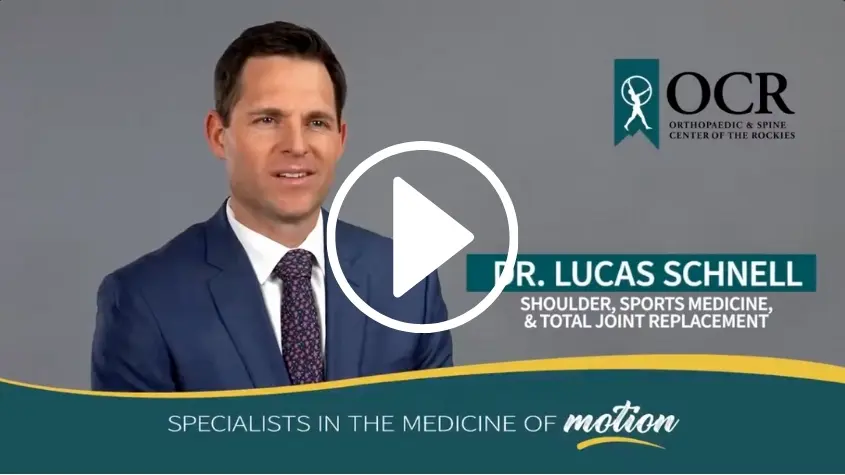
“What I love most about being a physician and specifically orthopedic surgeon is the gratification you get from making people better. I think we are really blessed as orthopedic surgeons to be able to have that impact on patients and truly help them get better.”
Dr. Nirav Shah, MD, is a member of the American Academy of Orthopedic Surgeons and the American Orthopedic Society for Sports Medicine, and he also sees patients at OCR’s Westminster office. Dr. Shah is a well-recognized joint replacement surgeon in Colorado, specializing in shoulder, hip, hip arthroscopy, and knee replacements.
Don’t let shoulder pain limit your day-to-day life. With accurate diagnosis and the right treatment plan, many patients recover without surgery. Request an appointment with Dr. Lucas Schnell or Dr. Nirav Shah at our Westminster campus today.