
Can a Torn Meniscus Heal Without Surgery? What Westminster Athletes Should Know
If you’ve twisted your knee during a workout or landed wrong on the court and are now experiencing pain, swelling, or limited motion, you might be dealing with a meniscus tear. This common knee injury affects people of all ages—not just high-level athletes—and many wonder: Can a meniscus tear heal without surgery?
At Orthopaedic & Spine Center of the Rockies (OCR), our Westminster sports medicine specialists focus on helping you recover safely and return to the activities you love, often without the need for surgery.
What Is the Meniscus and How Do Tears Happen?
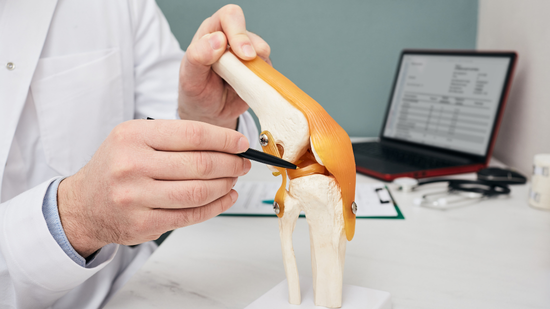
The meniscus is a C-shaped piece of cartilage in your knee that cushions and stabilizes the joint. Each knee has two menisci—medial and lateral—that absorb shock and help distribute body weight evenly.
Learn more about the types and symptoms of meniscus tears from AAOS.
Meniscus tears can occur from:
- Sudden twisting or pivoting (common in sports)
- Direct trauma or impact
- Age-related degeneration or cartilage wear
While athletes are especially prone to meniscus injuries, these tears are also common in older adults during everyday activities like squatting or stepping awkwardly.
According to Cleveland Clinic, meniscus tears are one of the most frequently treated knee injuries across all age groups.
Can a Meniscus Tear Heal Without Surgery?
In many cases, yes. Many patients with small, stable tears improve with rest, therapy, and targeted rehab, especially when the tear is:
- Small: A small meniscus tear typically refers to a tear that is:
- Less than 1 centimeter in length
- Located in the outer third of the meniscus, often called the “red zone,” which has a better blood supply
- Stable, meaning it does not move or flap into the joint and cause locking or catching
- Located in the outer third (peripheral zone) of the meniscus, which has better blood supply
- Causing minimal mechanical symptoms (like locking or catching)
Here, Healthline offers a helpful breakdown of treatment paths for different tear types.
At OCR Westminster, our team of physicians focuses on conservative, movement-based care first. Surgery is not always necessary and is typically reserved for tears that cause instability, persistent pain, or joint locking.
Non-Surgical Meniscus Tear Treatment Options at OCR
OCR’s comprehensive knee care team of specialists provides non-surgical treatment plans tailored to your activity level, injury type, and goals for recovery. These options include:
1. Bracing and Activity Modification
A functional brace may be used to protect the knee while allowing gradual return to movement. Our physicians also guide patients on avoiding stressors like deep squats, pivoting, or impact during early recovery.
2. Injections
For pain and swelling that do not improve with therapy alone, corticosteroid or PRP (platelet-rich plasma) injections may help manage inflammation and support healing.
3. Monitored Rehab
We closely monitor your progress throughout therapy and adjust your recovery plan as needed, ensuring safe improvement without setbacks.
When Is Arthroscopic Knee Surgery Needed?
If non-surgical options do not resolve symptoms, or if the tear is large, displaced, or causing mechanical issues, arthroscopic knee surgery may be recommended.
This minimally invasive procedure involves using a camera and small tools to trim or repair the torn meniscus. Benefits include:
- Smaller incisions
- Faster recovery than open surgery
- Ability to return to sports with less downtime
OCR’s surgeons are experienced in ACL and knee repairs and will guide you through every stage, from imaging to return-to-play clearance.
Preventing Meniscus Injuries: What You Can Do
While not every injury can be prevented, smart habits can lower your risk of knee damage:
- Warm up and stretch before activity
- Strengthen your quadriceps and hamstrings
- Avoid sudden twisting motions or over-rotation
- Use proper footwear and form during sports
Also, if you’re experiencing ankle instability, it can impact your knee mechanics. Learn more about why ankles roll or hurt for no reason, which can help protect your knees too.
Back to Movement, Your Way
At Orthopaedic & Spine Center of the Rockies, we help athletes and active adults recover from knee injuries with care that fits their goals. Whether you’re competing, hiking, or just want to move pain-free, our sports medicine team and knee disorder specialists build a plan that works for you.
Many meniscus tears can heal without surgery, especially if the tear is small, stable, and in a well-supplied area of the knee. Our physicians take time to understand your injury and activity level. We focus on non-surgical treatment first, including physical therapy, bracing, and guided rehab.
Our board-certified physicians work closely with in-house therapists to support your full recovery. You don’t need to be a pro athlete to get expert care. We treat every patient with the same attention and respect.
Request an appointment with a Westminster knee specialist and take the first step toward lasting recovery.
Westminster Knee Experts: Dr. Gregg Koldenhoven & Dr. Nirav Shah
Westminster PM&R Expert: Dr. Colton Malesovas
Westminster Sports Medicine Experts: Dr. Domonic Torri, Dr. Peter Wood, Dr. Lucas Schnell, & Dr. Nirav Shah